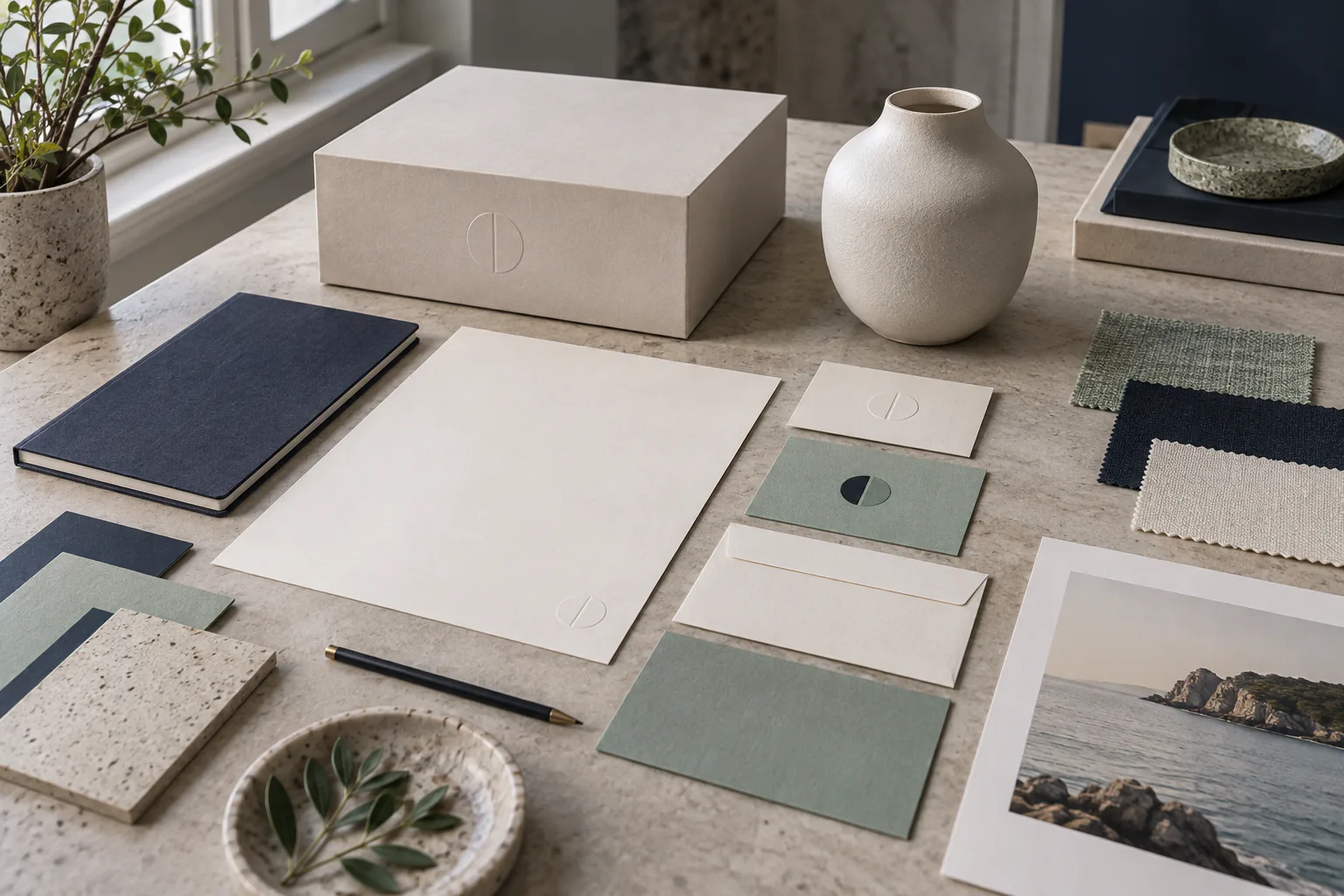
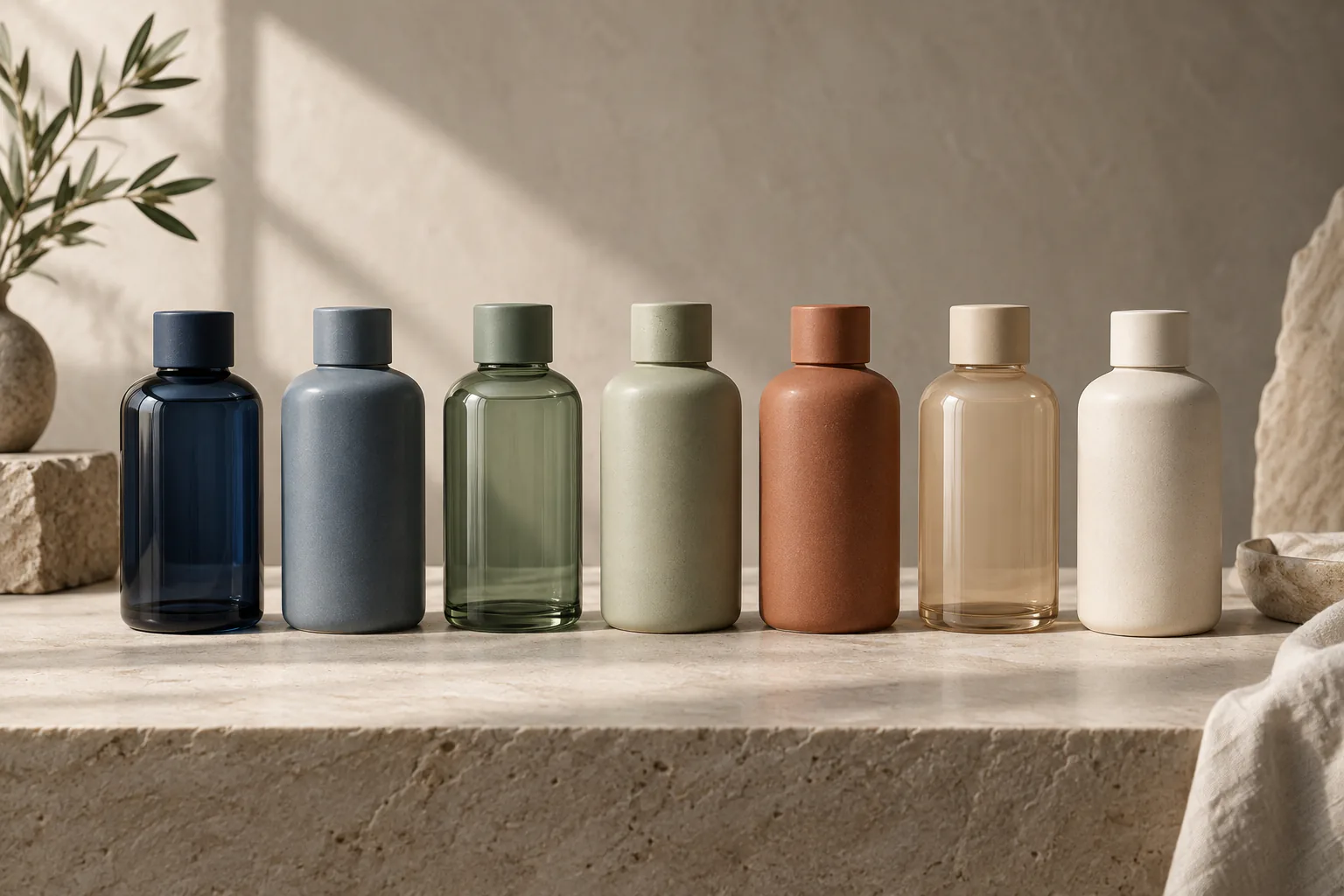
Ask someone to name a soft drink, and everyone knows which brand is red. Show a bank, and blue almost reflexively signals safety. Mention organic food, and green immediately comes to mind.
This is no accident. This is the deliberate application of colour psychology — one of the most effective yet most misunderstood tools in the branding toolkit.
Colour can influence first impressions quickly, but its effect cannot be separated from category, culture, typography and the wider visual system. A palette should therefore be evaluated with the audience and brand positioning, not chosen from a universal percentage or simplistic list of colour meanings.
How Does Colour Affect the Brain?
Colour is processed in the brain before rational thought. We don't first read what a brand offers and then decide how we feel — colour creates sensation before a word is understood.
This mechanism is an evolutionary inheritance: red warns of blood and danger. Green signals safe, fresh vegetation. Yellow evokes sunlight and energy.
Modern brands use this deeply ingrained conditioning — consciously or not.
What's important to understand: The effect of colour is not absolute. It varies culturally, contextually, and by industry. White in the West symbolises purity — in parts of East Asia it is the colour of mourning. Black signals luxury for a fashion brand but can feel too heavy on children's product packaging.
Key Colours and Their Branding Effects
Red
What it communicates: energy, passion, urgency, strength, excitement
Typical use: food and beverage (stimulates appetite), sectors where immediate action is expected (sales, clearances), sport and entertainment
Brands: Coca-Cola, Netflix, YouTube, Ferrari
To watch out for: Red is a strong colour — in large quantities it can feel aggressive. Most effective as an accent, in CTA buttons, and for indicating promotions. Not recommended in premium, healthcare, or financial contexts.
Blue
What it communicates: reliability, stability, professionalism, trust, calm
Typical use: financial institutions, technology companies, healthcare, B2B businesses
Brands: PayPal, Samsung, Ford, LinkedIn, Allianz
To watch out for: Blue is one of the safest branding colours — received positively across almost every industry. The challenge: precisely because of this, many brands use it, making it harder to stand out. Darker shades feel more premium; lighter shades feel friendlier.
Green
What it communicates: naturalness, health, sustainability, growth, harmony, freshness
Typical use: organic and natural products, healthy lifestyle brands, finance (due to connotations of "growth" and "money"), environmental topics
Brands: Whole Foods, Starbucks, Spotify, John Deere
To watch out for: Dark green signals luxury and naturalness. Neon green signals energy and boldness. However, too much green can make a design feel passive — strong contrast is usually needed alongside it.
Yellow and Orange
What it communicates: optimism, energy, friendliness, creativity, accessibility, youth
Typical use: FMCG, food, children's products, e-commerce (cart buttons, promotions), startup brands
Yellow brands: IKEA, McDonald's, Snapchat, Post-it
Orange brands: Amazon, Fanta, Harley-Davidson, easyJet
To watch out for: Yellow is the most difficult colour to work with. In large quantities it is fatiguing and reduces readability. As an accent or for indicating promotions it is very effective. Orange is somewhat easier to apply and encourages action.
Black
What it communicates: luxury, elegance, premium, power, sophistication, exclusivity
Typical use: luxury brands, fashion, premium technology, professional services
Brands: Chanel, Apple (partially), Nike, Louis Vuitton
To watch out for: Black is a strong premium signal — but it can also feel cold without the right counterpoint. In text, black is always the basis for readability; as a design element it requires deliberate application.
White
What it communicates: cleanliness, simplicity, minimalism, freshness, transparency
Typical use: healthcare, technology, minimalist design, premium products
To watch out for: White alone is not a strong branding colour — but as negative space, it gives a design air and highlights other elements. One of the foundations of Apple's visual success is the deliberate use of white space.
Purple and Violet
What it communicates: creativity, wisdom, luxury (royal purple), spirituality, mystery
Typical use: beauty, wellness, creative industries, premium confectionery, education
Brands: Cadbury, Hallmark, Twitch, Milka
To watch out for: Purple is relatively rare in mainstream industries — which is a competitive advantage if applied well. Darker shades feel more premium; lighter shades are softer and more feminine.
Colour and Context: Why Colour Alone Is Not Enough
A common misconception: "Red means energy, so if I'm selling an energy drink I should make everything red." This thinking doesn't work.
The effect of a colour always depends on the combination of:
- The shade of the colour: deep red and neon red carry different messages
- The proportion of the colour: as an accent vs. as a background it has different effects
- The accompanying colours: red and gold suggest luxury; red and white suggest freshness
- The context of typography and images: colour communicates alongside all other elements
- Industry conventions: red in banking is alarming; in food it is appetising
This is why good brand identity design doesn't start with "choosing a colour" — it starts with understanding the brand's values, target audience, and competitors.
How to Choose a Colour Palette for Your Brand
The process of deliberate colour palette selection:
1. Define the brand's values and character
Before any colour comes to the table: what feeling should the brand create? Trustworthy and conservative? Bold and innovative? Friendly and approachable? Luxury and exclusive?
2. Study competitors' palettes
Not to copy them — but to stand out. If every competitor is blue, your blue doesn't distinguish you. This doesn't mean colours used in your industry don't work — but differentiation always matters.
3. Test in different contexts
A colour looks completely different:
- On a white background vs. a black background
- At small scale (favicon, icon) vs. on a large surface (banner, packaging)
- Digitally vs. in print
- Combined with other elements
4. Think about accessibility
Not every visitor perceives colour in the same way. Meaning should never be conveyed by colour alone, and text/background contrast should be checked against WCAG 2.2. This is not only a compliance concern; it creates a better user experience.
Primary, Secondary, Accent: The Three-Tier Palette
Most strong visual systems work with a three-tier palette:
- Primary colour: the brand's main identifier, most frequently applied
- Secondary colour: complements, adds nuance, for alternative use
- Accent colour: for highlighting, CTA buttons, directing attention
This structure ensures the visual system is rich enough for different use cases — without becoming chaotic.
Ready for Your Brand's Colour Strategy to Work for You?
The Lab2Label team begins brand identity design from the strategic foundations — not based on aesthetic preferences, but aligned with the brand's goals, values, and target audience. This includes the deliberate construction of the colour system.
Request a free consultation — let's look together at what your brand is currently communicating visually, and where it should go.