One of the most common questions we hear from early-stage and growing small business owners is: "Do I just need a logo, or do I need something more?" The answer isn't a simple yes or no — and that's exactly what we explore in detail in this article.
Getting a logo designed seems like a simple decision. In reality, however, logo design is often the moment when a business first confronts how it wants to present itself visually to the world. The right decision lays the foundation for the brand. The wrong one wastes time and money, and often needs to be redone in six months.
What Is a Logo — and What Isn't?
A logo is a visual identifier. A mark, a shape, a letterform — or a combination of these — that represents a specific business. On its own, it doesn't communicate values, build trust, or make a brand recognisable.
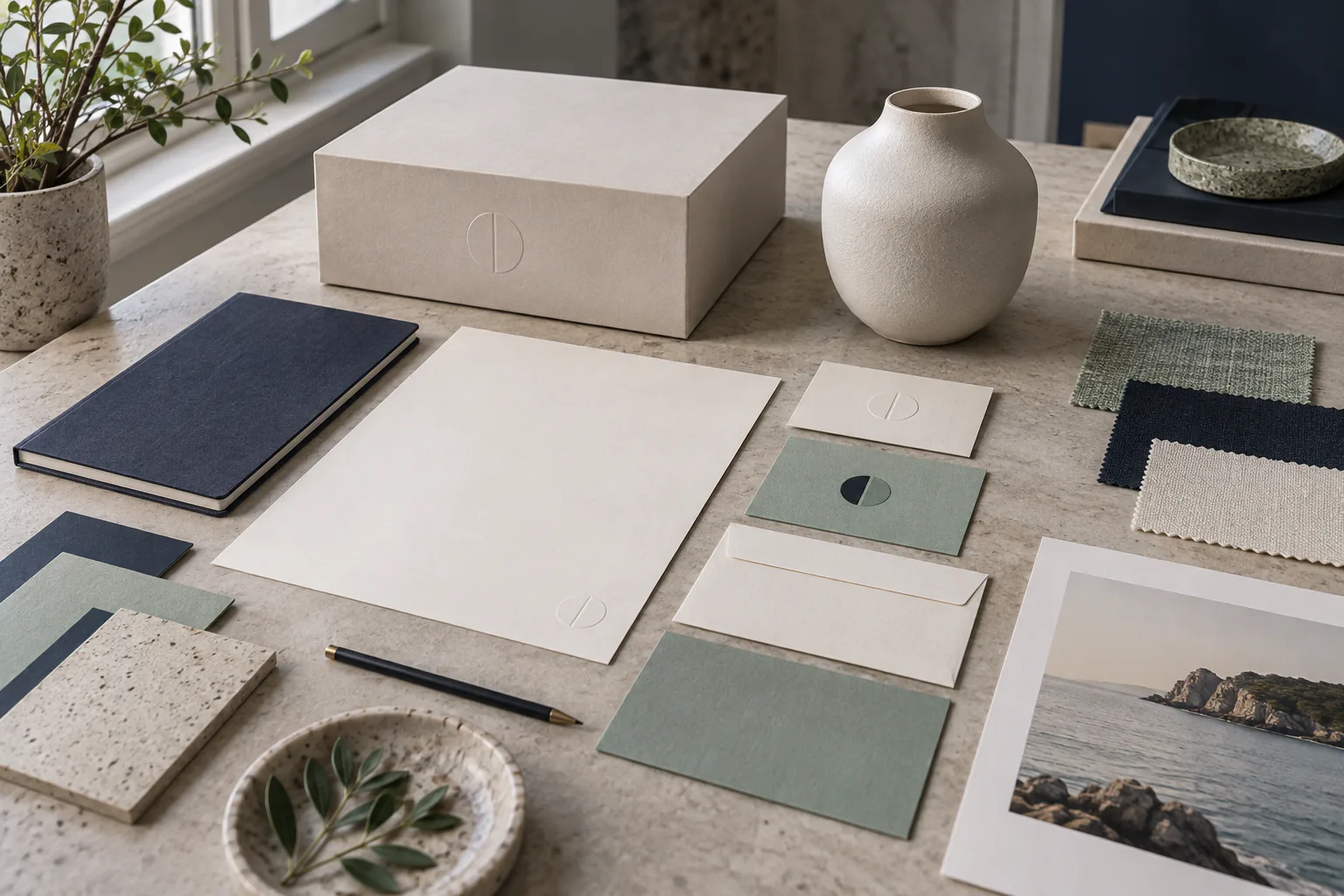
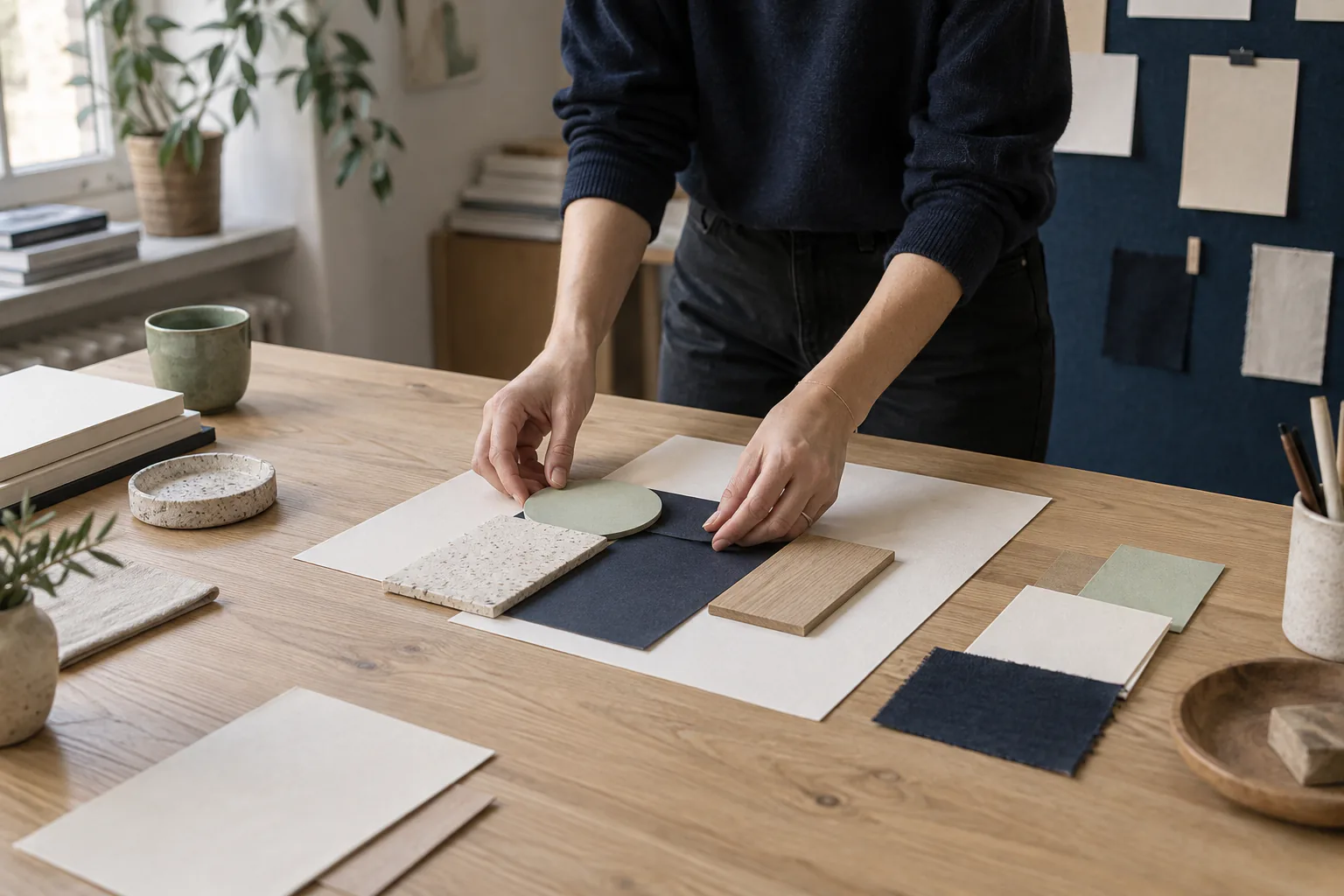
What many people think of as a logo is actually the entire brand identity:
- the logo and the colour applied alongside it,
- the logo and the typography surrounding it,
- the logo and the visual style it fits into.
A single graphic element is rarely enough on its own. But this doesn't mean every business immediately needs a full brand identity system.
When Is a Logo Enough?
There are cases where a well-designed, simple logo is genuinely a sufficient starting point. Here are the typical situations:
1. Early-stage business with a tight budget
If a business is just launching, doesn't yet have stable revenue, and the primary goal is to enter the market — a simple but professional logo provides the necessary visual foundation. There's no immediate need for a full brand guide. The logo is enough to start with, and the system can be expanded as the business grows.
Important caveat: "Simple" does not mean a cheap template or an auto-generated icon. A simple logo can still be professionally strong — if it is intentional, consistent, and scalable.
2. Local, personal service
For a local hairdresser, massage therapist, artisan, or freelancer, much of the brand building is carried by personal relationships, word-of-mouth referrals, and social media. A clean logo that looks good as a profile picture and on a business card is usually enough.
3. Single-product webshop or landing page
If the business sells a single, clearly defined product or service and the brand logic is concentrated on a single page, a well-designed logo is often a sufficient starting point.
When Do You Need More Than a Logo?
In most cases — especially when the business wants to grow, is digitally active, or aims for a premium position — a logo is only the first step.
When you appear on multiple platforms
Website, Instagram, Facebook, email newsletter, packaging, invoices, business cards — all of these present the brand in different formats. Without a unified system behind the logo (colour, typeface, visual world), every platform creates a slightly different impression. The customer subconsciously senses the inconsistency, and it undermines trust.
When you're targeting a premium position
A premium product, service, or brand requires a premium visual system. A logo alone doesn't communicate premium — that's communicated by the details, the proportions, the consistency, the typography, and the visual hierarchy together.
When you work with a team or have partner communications
As soon as a business grows and others communicate under its name, a unified set of guidelines becomes necessary. Without a brand guide (brand manual), everyone uses the logo, colours, and typeface slightly differently — and the result is visual chaos.
When you have a webshop and want to stand out
In e-commerce, visual consistency directly affects conversion. Buyers partly purchase because they trust the brand. One of the fastest signals of trust is a professional, consistent visual presence.
What Does a Full Brand Identity System Include?
If you need more than just a logo, these elements form the foundation of the system:
- Logo system: primary logo, variants (white, black, horizontal, vertical), favicon
- Colour system: primary and supplementary colours with precise codes (HEX, RGB, CMYK)
- Typography system: headline, body, supplementary typeface — with hierarchy
- Icon system: icons designed in a consistent style (if required)
- Visual world: photo style guidance, illustration direction
- Brand guide: how elements should and should not be used
This system helps the business remain consistent across platforms over the long term.
How Much Does Logo Design Cost?
This is the question everyone wants answered, but prices vary enormously. It's worth understanding why.
What to consider when evaluating price
Points to clarify in a proposal:
- With an unusually low price, ask about originality, usage rights, research and delivered source files.
- With a very short deadline, clarify whether briefing, research, concept development and approval are included.
- For "unlimited variations," request a precise definition of concepts, revision rounds and final deliverables.
What shapes the price?
- depth of research and strategic preparation;
- number of concepts and approval rounds;
- delivered logo variants, file formats and usage guidance;
- scope of typography, colour, iconography and the wider identity system;
- usage rights and post-handover support.
A responsible price follows a defined scope. Ask several suppliers to quote the same written requirements so you can compare more than headline totals.
Logo Design Online: What to Watch Out For
Numerous online tools and platforms promise logos ready in moments — Canva, Looka, Wix Logo Maker, and similar. These solutions can be useful in certain situations, but their limitations are important to understand.
What you get:
- A quick, template-based solution
- A low barrier to entry
- Basic file formats
What to verify separately:
- how unique the generated mark is and whether others can access the same template;
- whether the process includes a strategic brief and professional review;
- which vector and raster source files are available;
- which licence and usage rights apply to templates, fonts and graphic elements.
- Professional consultation on brand direction
If you're serious about your business — and if your visual presence needs to remain relevant long-term — template-based solutions don't replace professional design.
The Best Logo: A Strategic Decision, Not Just Aesthetics
One of the most common mistakes is treating logo design as an aesthetic question. "Do I like it or not" — that's the wrong question.
A good logo design process begins with these questions:
- Who is your target audience, and what impression do you need to make on them?
- What values does the business represent, and how should those be communicated visually?
- On which platforms will the logo appear — digitally, in print, on packaging?
- Who are your competitors, and how can you visually stand out from them?
- In which direction is the business developing over the next 3–5 years?
Without answers to these questions before the design process begins, the end result will only be pretty — but not necessarily effective.
Summary: Logo or Brand Identity?
| Situation | Recommended approach |
|---|---|
| Early-stage business, tight budget | Simple but professional logo |
| Local, personal service | Logo + base colours |
| Growing business, multiple platforms | Logo + full brand identity system |
| Premium product / webshop | Full brand identity with brand guide |
| Franchise / team communications | Full brand identity + detailed brand guide |
The decision always aligns with the specific situation — there is no single right answer. But the earlier you invest in a strong visual system, the less you'll need to correct later, and the easier it will be to grow.
Ready to Build a Strong Visual Foundation?
The Lab2Label team helps determine exactly what you need — and delivers what truly serves your business. From a logo to a full brand identity system.
Request a free consultation — we'll tell you what we recommend for your specific situation.