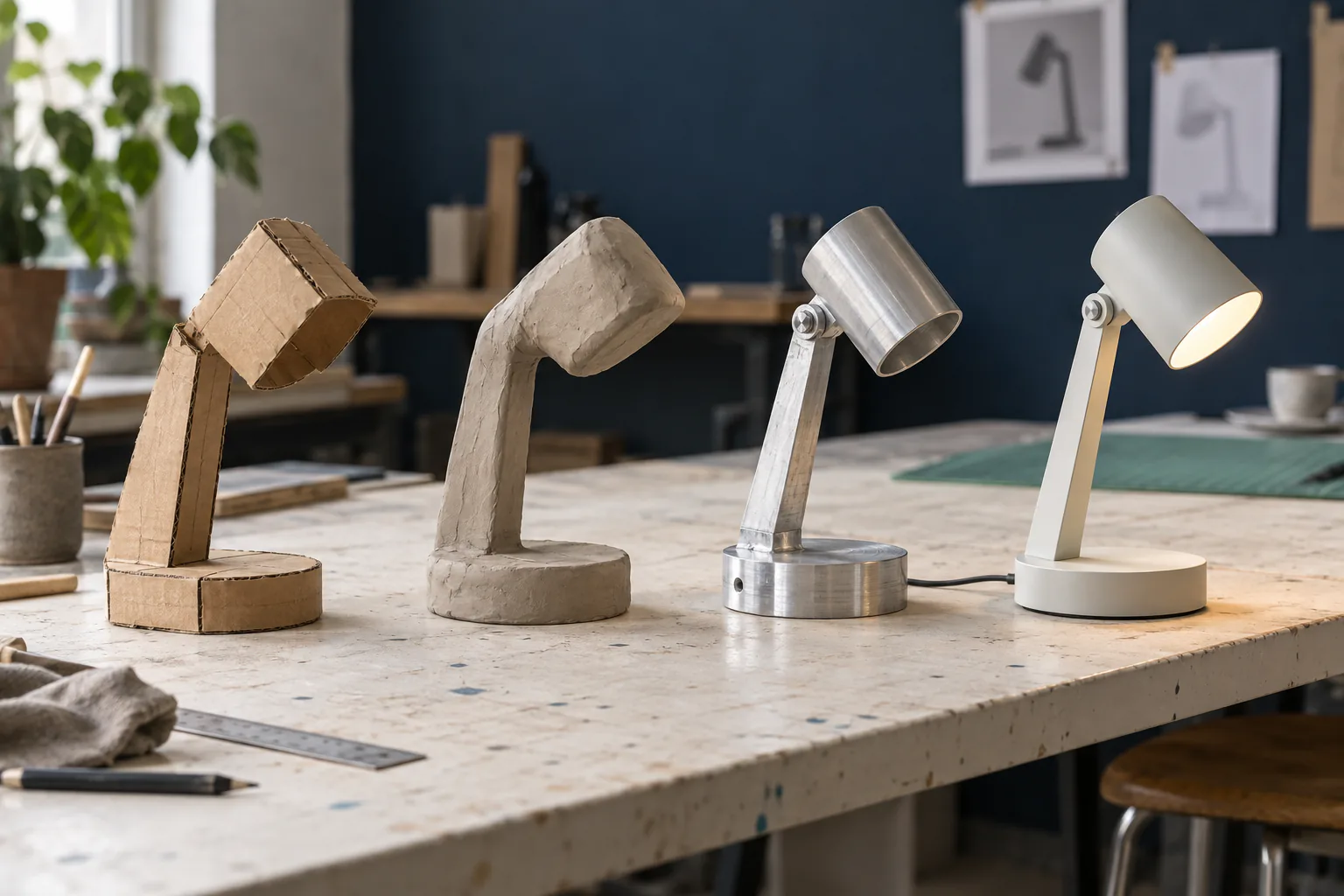
A product idea on its own is not yet a business opportunity. For an idea to become a truly market-ready, sellable, and long-term sustainable product, strategic planning, brand building, packaging concept development, production preparation, and go-to-market thinking are all required.
The goal of product development is not simply to "have a product." The goal is for the product to be understandable to the buyer, distinguishable from competitors, appropriately positioned in the market, and viable visually, communicatively, and commercially.
For a systems and partner-coordination view of the complete journey, see the concept-to-shelf product development guide; this article focuses on the sequence of work.
1. Validating the Idea
Before any design, packaging, or manufacturing process begins, it must be verified that the idea actually solves an existing problem.
Key questions:
- who is the product for,
- what problem does it solve,
- why would it be better or different from alternatives already on the market,
- in what price range can it be viable,
- in which sales channels can it appear.
At this stage, it's not about "what's a great name for it" or "what should the packaging look like" — it's about whether there is genuine demand for it, and if so, who will pay for it and why.
2. Target Audience and Positioning
One of the most important steps in product development is the precise definition of the target audience. A premium customer base, a price-sensitive segment, and a consumer in a specific life situation each require a different product, different packaging, and different communication.
Positioning answers the question of what place the product occupies in the buyer's mind — and why there, not in the competitor's place. A well-defined positioning makes all subsequent decisions easier: design, pricing, choice of sales channel, and communication.
What to define at this stage:
- Who is the precise target buyer? (age, income, values, purchasing habits)
- In which category does the product compete?
- How is it different from what's already on the market?
- What value does it represent based on its price?
3. Product Concept and Product Promise
The product concept summarises what the product offers, to whom, with what benefit, and within what brand framework. This is not a slogan or a marketing text — it is an internal compass that guides all creative decisions.
A good product concept is:
- easy to understand,
- distinguishable,
- commercially defensible,
- suitable for communication,
- extendable visually.
The product promise — what the buyer gets when they purchase the product — is the foundation of marketing communication. If this is not clearly articulated, the packaging, the website, and the ads will all carry different messages.
4. Brand, Name, and Visual Direction
Product development cannot be separated from brand building. A good name, identity, and visual system help the product become easier to recognise and remember — and help the buyer know what to expect.
At this stage, the following can be developed:
- brand name,
- logo,
- colour palette,
- typography,
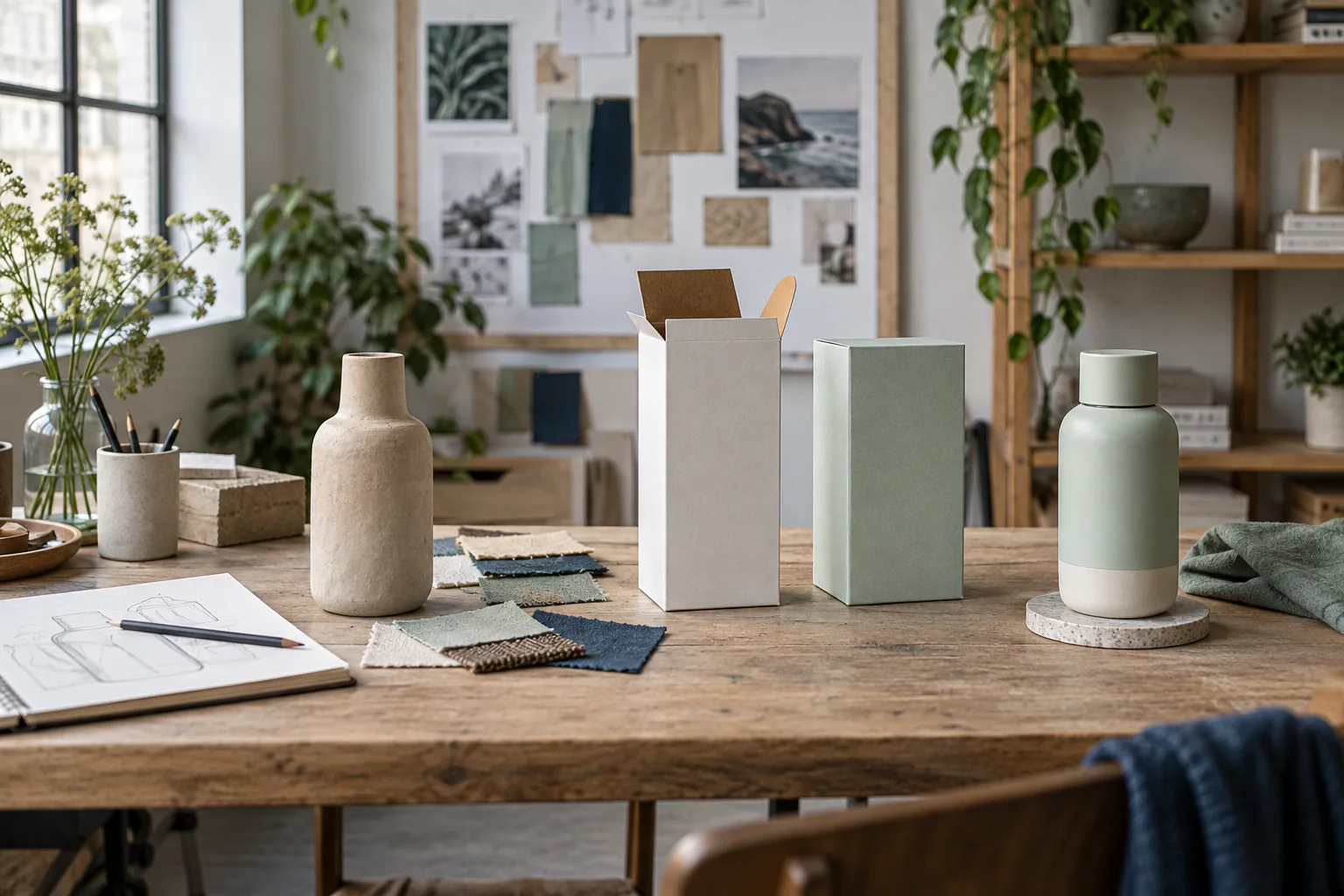
- packaging direction,
- communication tone.
Defining the visual direction is not only the basis for aesthetic decisions — it influences the choice of packaging materials, the style of photography, the design of the webshop, and advertising creatives.
5. Packaging Concept
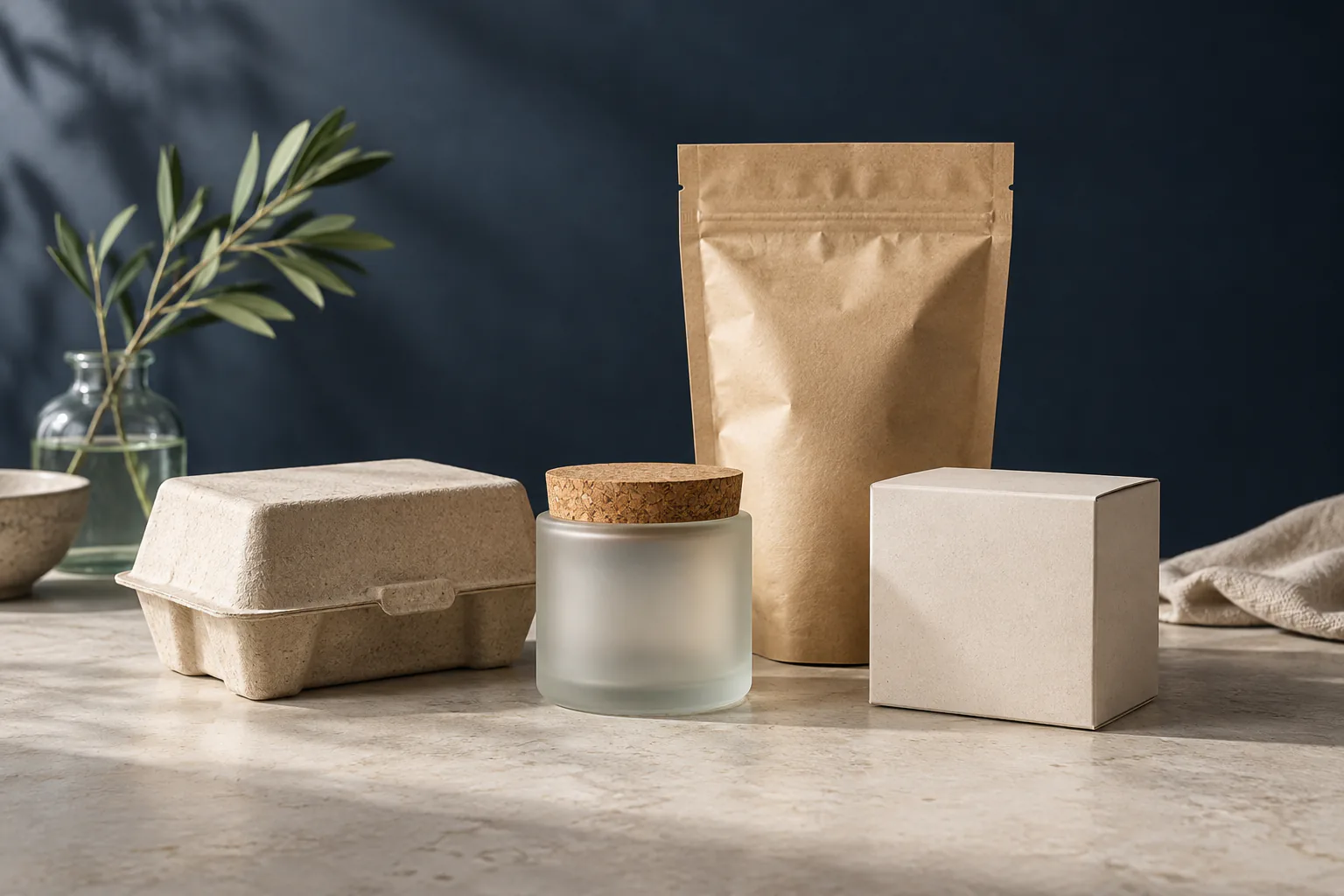
Packaging is not just an aesthetic question. Packaging is simultaneously a communication surface, a sales tool, and a trust signal. Before the first purchase, it is often the only physical point of contact between the product and the consumer.
Good packaging:
- is quickly understood,
- works on a shelf,
- looks good on digital platforms too,
- supports the brand promise,
- contains the required information,
- is printable.
When developing the packaging concept, alongside the creative direction, it is necessary to consider legal requirements (e.g., ingredients, allergens, expiry), the expectations of the sales channel (retail vs. online), and the constraints of manufacturability.
6. Production Preparation
The manufacturing options must also be considered during product development. A small-scale launch, a larger retail ambition, and a product intended for an international market each require different decisions.
Important considerations:
- pack sizes and variants,
- raw materials and ingredients,
- packaging materials and environmental compliance,
- minimum order quantity (MOQ),
- logistics and storage,
- labelling requirements for the actual product category and commercial identifiers,
- cost structure and target price calculation.
Production preparation is where the compromises between the creative concept and reality become clear — and where it's worth adapting the design to manufacturability rather than the other way around.
7. Go-to-Market Strategy
The product is not ready when it has been manufactured, but when it becomes comprehensible to the market. A go-to-market strategy is required to define how the product will reach its target buyers.
This may include:
- defining the target market and sales channels (webshop, retail, marketplace, direct sales),
- building a webshop or landing page,
- a retail introduction deck and listing presentation,
- an online marketing plan (SEO, ads, social media),
- social creatives and campaign materials,
- a catalogue and product information sheet.
Without a go-to-market strategy, even the best product remains invisible. The launch plan defines who will first learn about the product, through which channel, and with what message.
How Lab2Label Can Help
Lab2Label provides strategic, creative, and digital support throughout the product development process. We help with structuring the idea, developing the product concept, designing the brand identity and packaging, building the digital platforms, and preparing the go-to-market materials.
If you have a product idea and don't know how to move forward — request a consultation. The first meeting is free.
FAQ – Product Development
When should you bring in a product development partner? When the idea is already taking shape, but there is not yet a clear product concept, brand, packaging, or go-to-market plan. The earlier you involve a strategic and creative partner, the fewer steps back will be needed later.
Does product development only apply to new products? No. A structured process is equally important for repositioning existing products, refreshing packaging, or developing a new product line.
How long does a product development project take? Timing depends on research, readiness of the formula or product base, compliance work, sampling, packaging variants and approvals. Responsible milestones follow clarification of those dependencies.
Can market success be guaranteed? No. Market outcomes depend on demand, competition, pricing, channel execution and external factors. A structured process helps surface assumptions, decision gates and risks earlier.
Is every step necessary? The order and depth of the steps depend on the nature of the project. A completely new brand build may require every phase; a packaging refresh may only require a concept and visual direction review.